
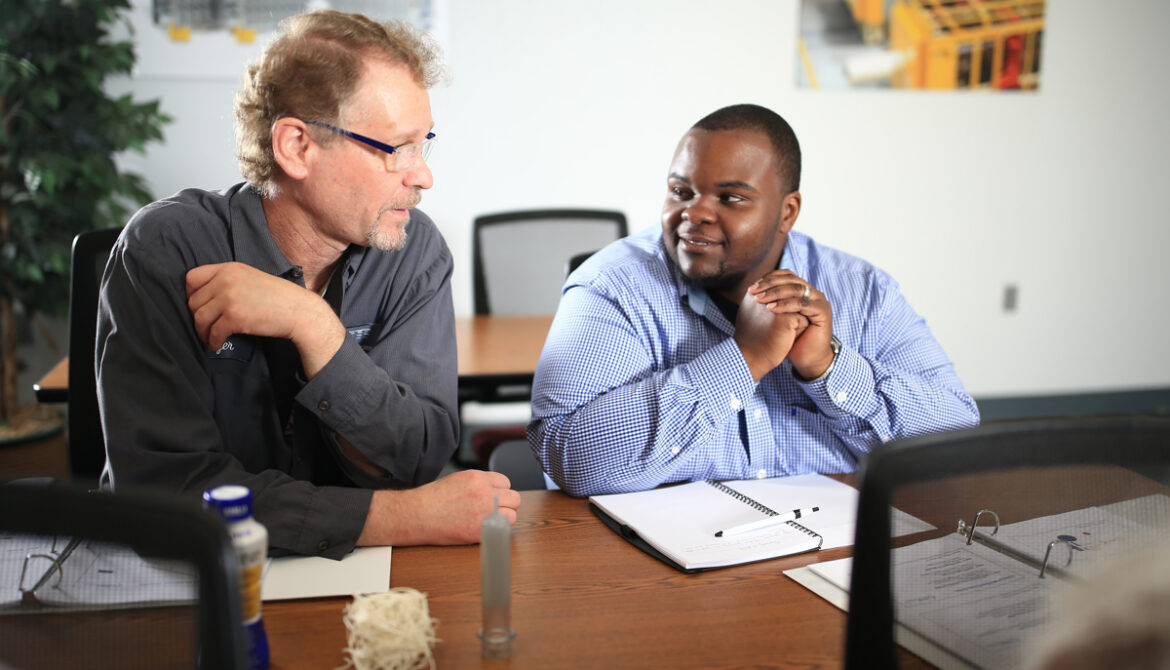
PTI’s hands-on courses connect material science to real manufacturing systems.
Packaging technology evolves quickly.
New materials enter the market. Faster production systems refine operations. More demanding product formulations introduce complex yet promising solutions. Not to mention, there are greater expectations for sustainability, performance and shelf life.
For engineers working in plastic packaging, staying up-to-date with skills and getting ahead of change calls for more than reviewing data sheets or supplier presentations. It requires understanding how materials behave inside real manufacturing systems.
Training to enhance your technical knowledge is critical for closing the gap between theory and production. Continuing education provides the perspective engineers need to understand how materials behave in real manufacturing systems — the same expertise PTI applies every day when helping brands solve complex packaging challenges.
At PTI, technical education has long been part of the company’s role in the packaging industry. We take pride in guiding engineers with proven curricula to help them understand not just what materials do, but how packaging systems actually perform in practice.
Our training offers a backstage pass to PTI. “Inviting engineering professionals here for training is a behind-the-scenes opportunity to showcase our who, what, where and why, while creating valuable industry connections for engineers who train with us to lean on us for technical advice and assistance throughout their careers,” says PTI’s Erica Hartmann.
Hands-On Packaging Training for Engineers
Many packaging professionals enter the industry with strong academic training but limited exposure to commercial packaging operations. Processes such as blow molding, hot-fill packaging and material compatibility involve complex interactions between materials, equipment and product formulations. Understanding those interactions requires hands-on experience.
PTI’s plastic packaging training programs are designed with this reality in mind.
Our courses are typically conducted in small groups that encourage conversation, direct interaction with instructors and practical application sessions. Participants have the opportunity to walk through PTI’s analytical laboratories, observe testing processes and see packaging equipment in operation.
“You get hands-on experience. You get to go over to the machines and see the whole process. You get to go through the lab and see how the testing is done,” says Erica Hartmann of PTI. “It also gives attendees the opportunity to sit down and ask direct questions with the engineers who work on these systems every day.”
For many participants, that direct access to technical expertise becomes one of the most valuable parts of the experience.
One of the most powerful aspects of the training experience is simply stepping inside PTI.
The company is known globally for advanced materials testing, packaging analysis and engineering consulting services. But for many engineers, seeing the laboratories and equipment in person offers a deeper understanding of PTI’s capabilities.
“Our training opportunities also show what PTI does, who we are in the industry, and why companies should seek expert technical advice for their packaging,” Hartmann says. “Experiencing the research, testing and development environment firsthand often changes how engineers view the role of technical partners in packaging innovation.”
Why PTI for Training
Companies across the packaging value chain, from brand owners to converters and suppliers, send engineers and operators to PTI training programs to build technical capability within their teams. Participants often come away with practical insights that are difficult to gain through traditional classroom learning.
Training at PTI allows attendees to:
- See packaging systems in action, from processing equipment to analytical testing
- Understand material behavior across real manufacturing conditions
- Ask direct questions of engineers working on advanced packaging projects
- Network with peers across the packaging supply chain
- Build a stronger technical foundation for long-term career development
Small class sizes are intentional. PTI limits enrollment so participants can ask questions freely and engage directly with instructors throughout the program. “We want it to feel like a conversation,” Hartmann says. “You’re seen, you’re heard and you can really dive into the technical details.”
Building Early-Career Confidence
Training programs are especially valuable for engineers early in their careers.Many companies send new hires to external training programs to help them build a stronger understanding of packaging materials, processing systems and performance requirements.
“The programs are especially helpful for young engineers entering the industry,” Hartmann says. “They get a solid knowledge base of the technical facts and details that will help them grow in their profession.”
In some cases, the impact of that training lasts for decades. Hartmann recalls meeting packaging professionals who still reference materials from PTI training courses years later.
“I recently met two people who had taken our PET training course nearly 30 years ago,” she says. “They still have their binders and still reference them.”
Tackling Real Challenges & Growing Connections
PTI’s training catalog covers a range of topics designed to address common technical challenges in plastic packaging.
Among the most established courses is Technology and Application of PET, which explores the processing behavior, performance characteristics and design considerations of one of the most widely used packaging materials. Additional programs include Blow/Injection Mold Operator Training and Plastic Packaging for Hot-Fill / Aseptic Beverages Training.
Courses are typically hosted at PTI facilities in the United States and Luxembourg. Companies can also request customized training programs delivered on-site or tailored to specific technical challenges.
The objective is simple: connect material science with real manufacturing behavior.
Beyond the technical knowledge, training programs also create opportunities for professionals across the packaging industry to connect. Participants interact not only with PTI engineers but also with peers from brand owners, converters and suppliers who face similar challenges in their own operations.
Informal discussions over lunches, lab demonstrations and group sessions often lead to conversations that continue well beyond the course itself.
In many cases, those relationships become the starting point for future collaboration.
Train with PTI
PTI’s plastic packaging training programs help engineers, operators and technical professionals develop a deeper understanding of packaging materials, manufacturing processes and system performance.
Ask us about customized training options available for companies seeking specialized instruction.Interested in learning more? Explore PTI’s plastic packaging training catalog or contact the team to discuss upcoming courses and customized training opportunities.


